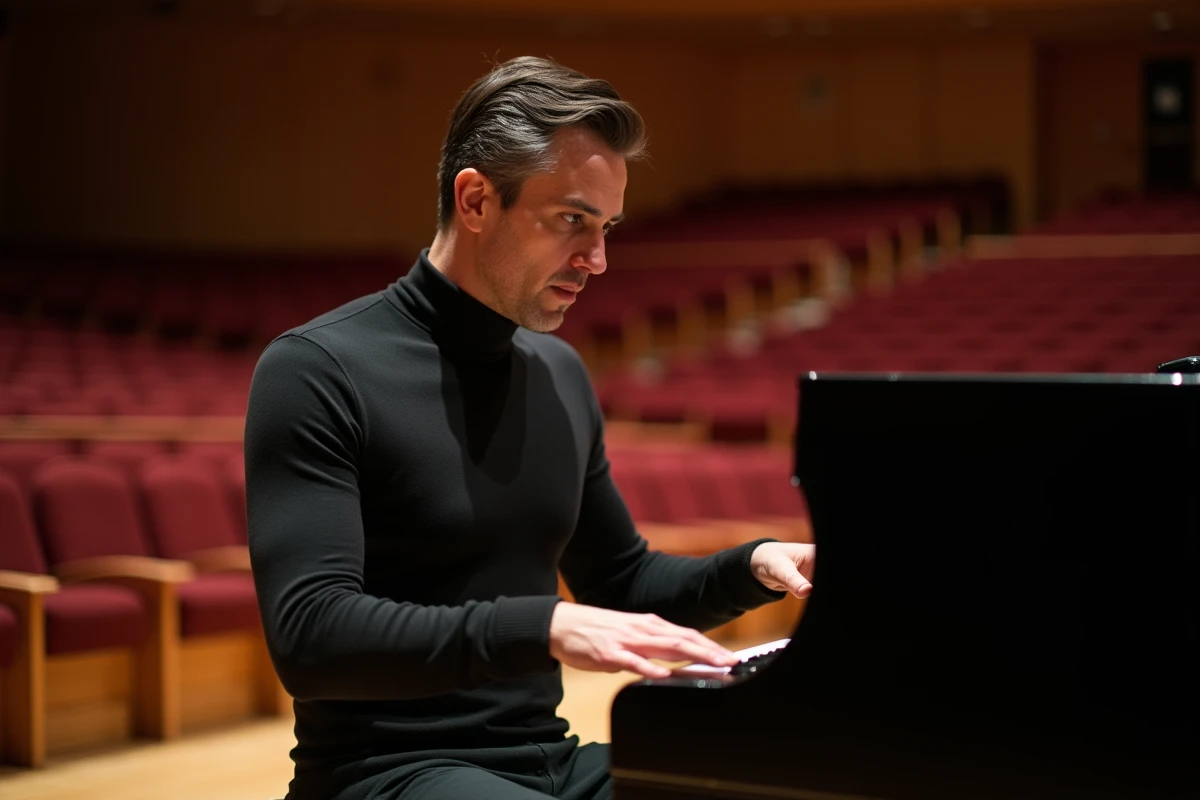
Igor Tikovoi occupies a unique place in the landscape of European music production. His name regularly appears in the credits of albums and singles released across several markets, but rarely in the spotlight. This reclusive positioning, typical of producer-arrangers, makes his journey all the more interesting to decipher for those interested in the mechanics of creating a track.
Igor Tikovoi producer and arranger: an often underestimated role
The general public associates music with the artist who sings or performs on stage. The work of a producer and arranger remains largely invisible, even though it determines the sound color, harmonic structure, and final rendering of a piece.
Igor Tikovoi fits precisely into this category. His credits, available on music reference platforms like Discogs, position him more in the studio than in the spotlight. This profile implies a technical mastery that ranges from artistic direction to mixing, including writing arrangements for various ensembles.
We observe that producers of this type build their reputation through an accumulation of collaborations rather than through a flagship title. It’s a career model where longevity takes precedence over virality, and where the consistency of the catalog matters more than a single hit. To delve deeper into the stages of this trajectory, Igor Tikovoi’s biography on Nozzhy outlines the milestones of his journey from the beginning.
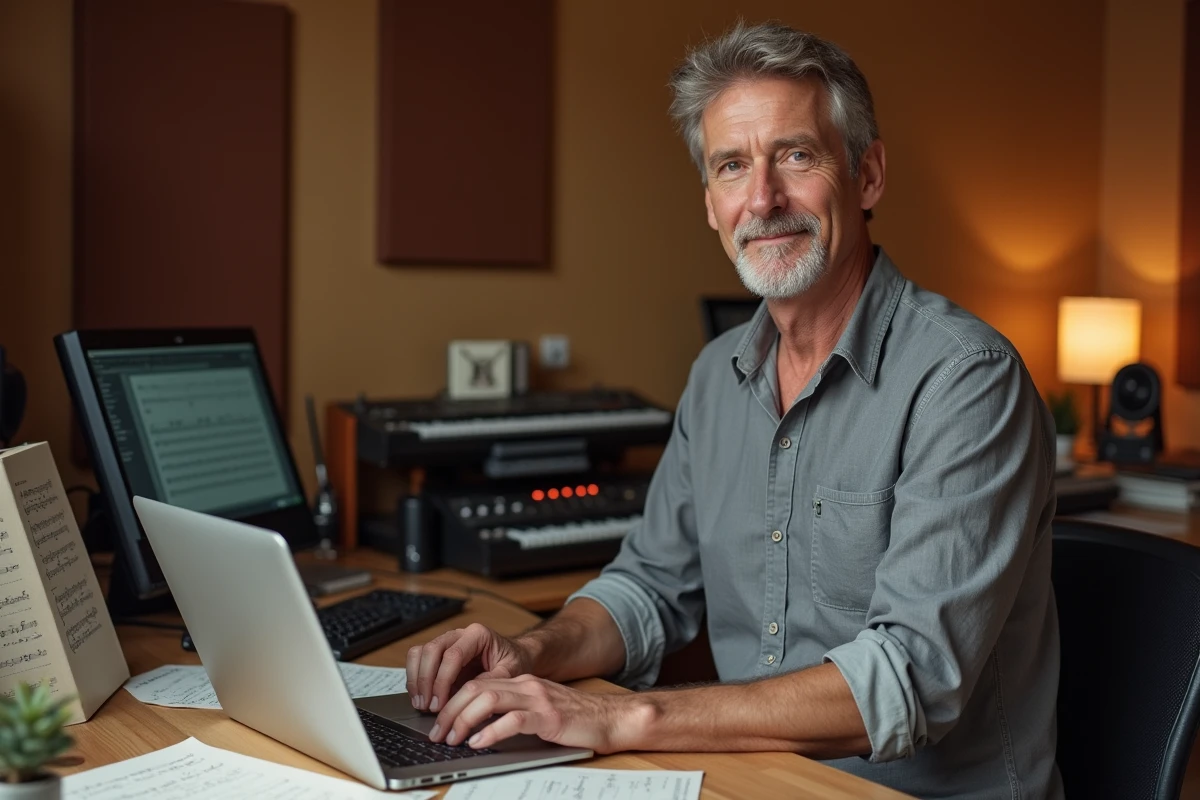
Igor Tikovoi’s cross-border career: between several European markets
A distinctive aspect of Igor Tikovoi’s musical career lies in its cross-border dimension. While many producers remain anchored in a single national scene, his productions circulate between several European countries.
This operation requires the ability to adapt production codes to the expectations of different markets. Mixing standards, tempo choices, and favored sound textures vary significantly between the Francophone market, the Eastern European market, and Anglo-Saxon distribution circuits.
What international circulation implies in the studio
Working across multiple markets is not just a matter of distribution. It directly affects production choices:
- The arrangement must take into account local listening habits, which alters the placement of instruments in the mix and the overall sound density.
- Collaborations with artists from different languages and musical traditions require flexibility in writing, especially regarding melodic lines that must embrace varied prosodies.
- Managing rights and credits on multi-territory releases adds an administrative layer that only producers experienced in international work can handle without friction.
This cross-border versatility constitutes a rare skill marker in the realm of European music production.
Collaborations and studio logic: the Igor Tikovoi model
The album and single listings where Igor Tikovoi’s name appears reveal a systematic collaborative functioning. He is not a solo artist who occasionally delegates, but a professional whose operating mode relies on teamwork in the studio.
This approach contrasts with the figure of the star producer who imposes their sound signature on every project. For Tikovoi, the sound adapts to the artist, not the other way around. The credits available on music cataloging platforms show a diversity of genres and formats that confirm this flexibility.
Composition and arrangement: two distinct skills mobilized in parallel
The dual role of composer-arranger deserves attention. Composing is about producing the raw material (melody, harmony, structure). Arranging is about dressing that material for a specific rendering: choosing instruments, writing parts, managing dynamics.
Both roles require different skills. A good composer is not necessarily a good arranger, and vice versa. Combining these two functions on the same project reduces back-and-forth between contributors and speeds up decision-making in the studio. This is a concrete operational advantage for artists working with this type of profile.
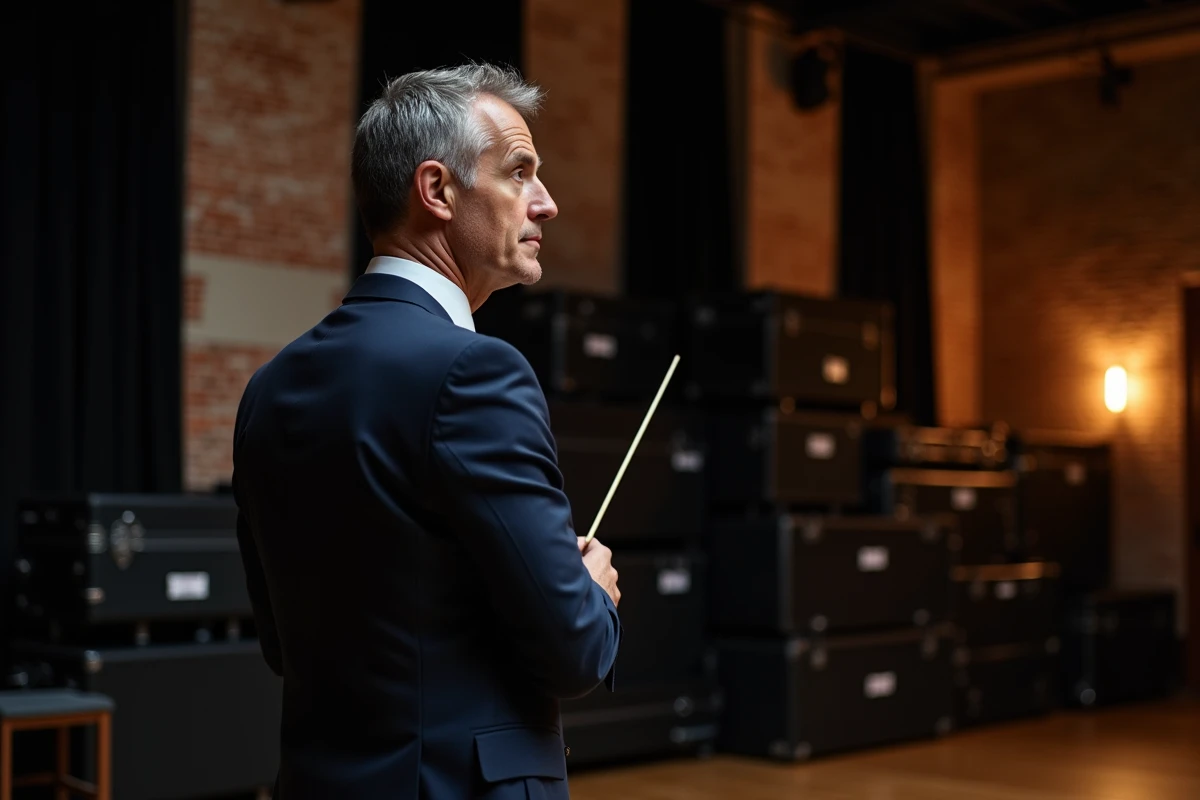
Igor Tikovoi’s musical achievements: what the catalog reveals
Analyzing a production catalog rather than a solo album changes the lens of interpretation. One does not seek a unique masterpiece, but a trajectory, recurring themes, and style evolutions.
In the case of Igor Tikovoi, the releases referenced in international music databases indicate continuous activity over several years. This regularity is a reliable indicator of a producer’s solidity: artists and labels do not call back a collaborator who has not delivered satisfactory work.
Recent international projects
The most recent mentions associated with his name confirm that his career is not merely a heritage assessment. Igor Tikovoi continues to appear on projects currently in production or recently released, keeping him active in the European music production circuit.
For a producer-arranger, staying active over several decades demonstrates an ability to adapt to technological evolutions in the studio: transitioning to fully digital, adopting new sound spatialization tools, integrating mastering constraints for streaming.
Igor Tikovoi’s career illustrates a professional model that deserves to be better known. The cross-border producer-arranger, discreet by nature, shapes the sound that millions of listeners consume without ever identifying the hand behind the final result. It is precisely this discretion that makes examining his catalog so revealing of the state of the profession.