
Naturopathy refers to a set of techniques aimed at enhancing the body’s self-healing abilities through means considered natural: diet, physical activity, stress management, and the use of plants. In France, the title of naturopath is not a state title and the discipline is not part of regulated health professions.
This is the context in which Didier Pinel’s work is situated, a naturopath who has been engaged for about ten years with the FÉNA (French Federation of Naturopathy Schools).
Didier Pinel’s Role within the FÉNA and Quality Requirements
Didier Pinel holds the positions of partnership manager and treasurer at the FÉNA. His main role during the congresses organized by the federation is to select exhibitors based on a specification focused on quality, excellence, and ethics.
This selection work is not trivial. It conditions the credibility of the event and, by extension, the image of naturopathy with the general public. By filtering speakers based on specific criteria, the FÉNA attempts to structure a profession that, legally, remains open to anyone without state diploma requirements.
By exploring Didier Pinel’s daily practice as a naturopath, one better understands how this rigorous approach translates into individual support: dietary choices, lifestyle hygiene, emotional management.
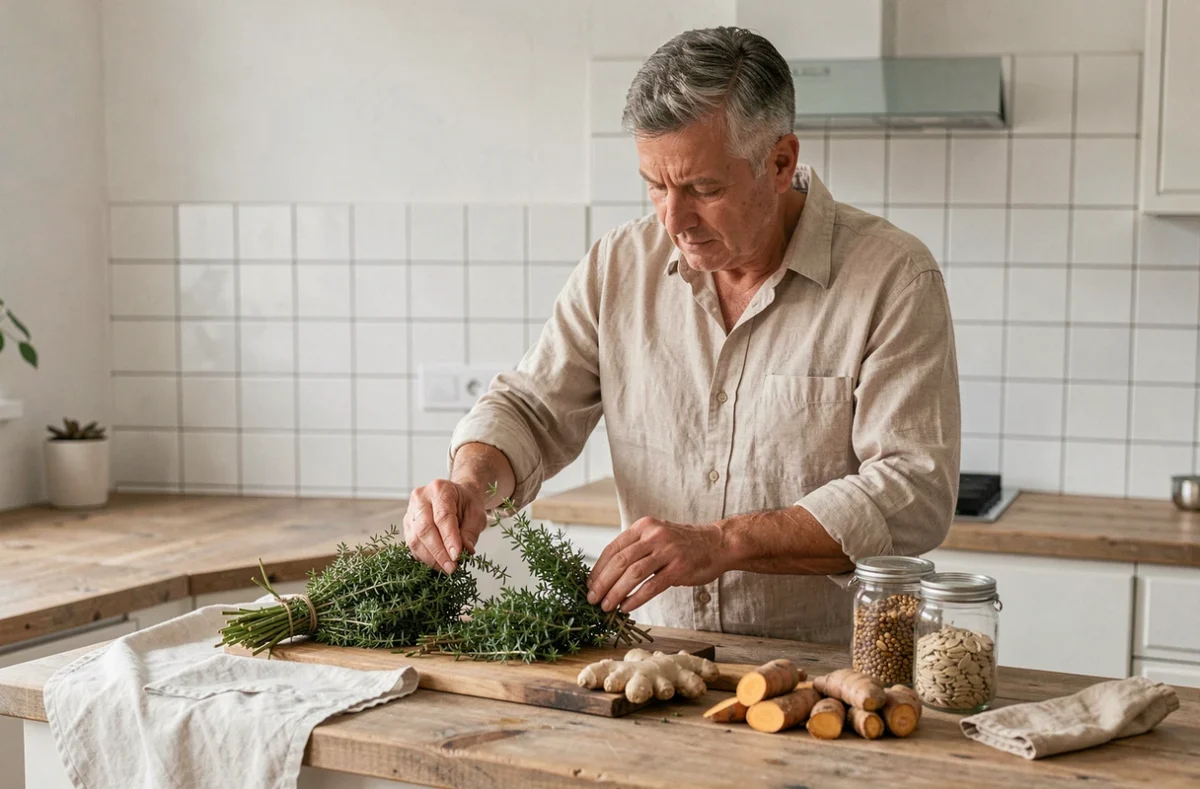
Naturopathy and Legal Framework in France: What the Naturopath Can and Cannot Do
This is the point that most content on naturopathy neglects. A naturopath does not have the right to diagnose or treat a disease. Their training, even if certified by a school recognized by the FÉNA, remains a private certification.
The DGCCRF (Directorate General for Competition, Consumer Affairs and Fraud Control) imposes transparency obligations on wellness practitioners. The naturopath must provide accurate information about the expected benefits, the non-medical nature of their service, potential risks, and their actual qualifications.
A survey published in 2022 led to the inspection of 381 establishments related to wellness practices. This figure illustrates the vigilance of authorities regarding potential abuses in the sector.
Concrete Obligations of the Practitioner
- Never ask a client to interrupt ongoing medical treatment, even if natural alternatives seem relevant
- Clearly display the non-therapeutic nature of the service, including on a website or communication material
- Systematically refer anyone presenting symptoms that may indicate a pathology to a doctor
Naturopathic Advice in Daily Life: Lifestyle Habits or Health Acts
Many recommendations associated with naturopathy actually fall under lifestyle habits documented by public health. Eating a variety of vegetables, getting enough sleep, moving every day, limiting ultra-processed foods: these tips do not require consultation or specialized support.
The line becomes blurred when the naturopath recommends targeted dietary supplements, fasting protocols, plant combinations, or prolonged detox cures. These practices can interfere with medical treatment or mask the symptoms of an undiagnosed pathology.
What Falls Under Common Lifestyle Hygiene
Prioritizing raw and seasonal foods, engaging in regular physical activity, valuing sleep, learning to manage stress through breathing or walking. These actions are accessible without intermediaries and their benefits are widely accepted in the medical community.
What Justifies Prior Medical Advice
Any approach involving significant dietary restrictions (exclusion diets, prolonged fasting), taking high doses of micronutritional supplements, or using plants with powerful active ingredients should first go through a health professional. A doctor can assess drug interactions that a naturopath is not trained to detect in their entirety.

Wellness Approach and Naturopathy: Choosing a Reliable Practitioner
Didier Pinel’s approach, structured by his commitment within the FÉNA, illustrates a current of naturopathy that seeks to professionalize. The rigorous selection of partners during congresses reflects a desire to distinguish serious practitioners from less regulated profiles.
For an individual, a few criteria can help identify a naturopath whose practice respects the legal framework:
- Training in a school affiliated with the FÉNA or an equivalent organization recognized by peers
- Transparency about the non-medical nature of the support, visible from the first contact
- Explicit refusal to substitute for a doctor or challenge a medical diagnosis
- Ability to refer to a health professional whenever the situation requires it
The absence of regulation does not mean a lack of seriousness. It means that the responsibility to verify the practitioner’s skills largely rests on the consultant themselves.
The advice attributed to naturopathy gains relevance when placed in a realistic framework. A balanced diet, appropriate physical activity, and good stress management form a solid foundation. Whenever a protocol exceeds these basics, the safest reflex remains to cross-check the naturopath’s opinion with that of a doctor.