Leisure time is not just a list of distractions. It is a space where physiological, social, and cognitive needs intersect, and their satisfaction depends on the type of activity chosen. Rather than piling up ideas, this article structures leisure activities by function: what they engage in the body and mind, and what hinders or facilitates their access in 2026.
Cost of leisure in 2026: the barrier that idea lists ignore
Before choosing an activity, the question of budget arises. A survey by Odoxa for RTL reported in September 2026 shows that many French people have given up on a sport deemed too expensive. This financial barrier affects not only sports: gym memberships, creative workshops, and paid cultural outings are experiencing the same effect.
Free or low-cost activities are gaining ground. Hiking, drawing, reading in libraries, or walks in the forest require almost no material investment. To explore other accessible options, leisure activities on the Journal Global website cover a wide range of practices suited to different budgets.
The cost also acts as a geographical filter. In rural areas, paid offerings (parks, workshops, gyms) are scarce, which mechanically directs people towards outdoor leisure or self-directed practices at home.
Hiking and nature activities: why the outdoors dominate practices
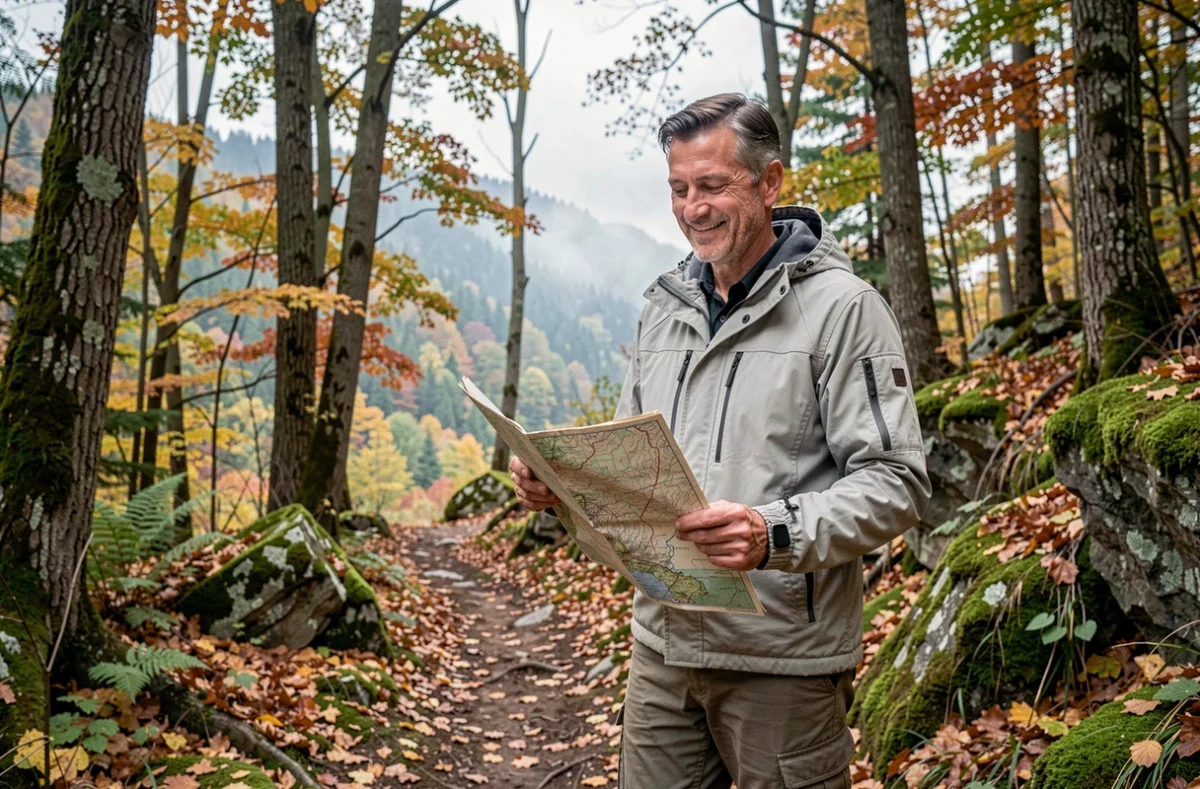
According to a study conducted in 2025 by Union Sport & Cycle for the French Hiking Federation, 62% of French people walked or hiked in the past twelve months. This figure places walking far ahead of most other sports leisure activities.
Several factors explain this dominance:
- The absence of specialized equipment: a suitable pair of shoes is enough to start on most marked trails in forests or national parks.
- Flexible scheduling: no time slot to reserve, no mandatory partner, outings can adapt to any schedule.
- The double benefit, physical and mental: walking in nature combines moderate effort with exposure to an environment that reduces cognitive load, a mechanism documented in environmental psychology.
For families with children, hiking easily transforms into an educational activity. Identifying tree species, following animal tracks, or birdwatching adds a learning dimension at no extra cost.
Fishing, cycling, climbing: diversifying outdoor activities
Walking is not the only gateway to nature. Cycling (road or mountain biking) offers a broader exploration radius. Fishing appeals to those seeking a contemplative hobby, with a very different pace from hiking. Climbing in natural sites, supervised by a club, combines intense effort with terrain reading.
Varying outdoor activities prevents boredom and engages different muscle groups. Alternating a week of walking with a cycling outing or a climbing session maintains motivation over several months.
Creative workshops and home leisure: what manual practice brings
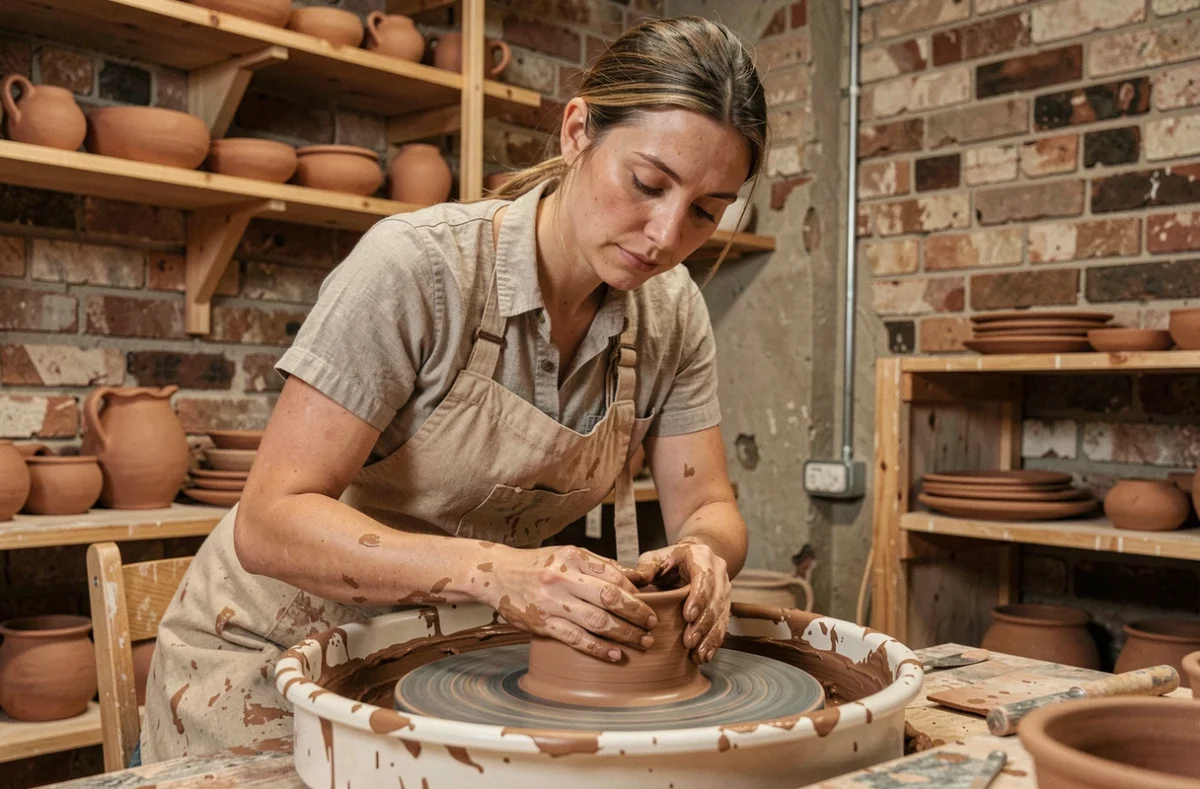
Creative workshops (pottery, watercolor, sewing, wooden models) have seen a resurgence of interest in recent years. Their strength lies in the state of concentration they produce: when hands are busy shaping or assembling, the flow of distracting thoughts decreases.
Unlike sports, manual hobbies depend neither on the weather nor on physical condition. A painting workshop can be done in winter or summer, at home or in a shared space. For children, these activities develop fine motor skills and patience, two transferable skills for school.
Creative cooking: a workshop accessible to the whole family
Cooking transcends its utilitarian framework as soon as it is treated as a leisure activity. Testing an unknown recipe each week, organizing a themed meal, or attending a pastry workshop transforms a daily task into a moment of shared enjoyment.
The practical advantage is twofold: the result is edible, and the equipment already exists in most households. No initial investment, no mandatory travel.
Cultural outings in 2026: a nuanced decline
Data from the Ministry of Culture’s barometer shows a slight decline in cultural outings in 2025. Attendance at museums and exhibitions has returned to 33%, down from 39% in 2024 and 41% in 2019. Theaters, festivals, and libraries follow the same trend.
This decline masks territorial and generational disparities. Those aged 15-24 remain the most present in most cultural facilities. Residents of large urban centers go out more than those in small towns, a gap that affects cinema, concerts, monuments, and libraries.
The price of the ticket does not explain everything. The competition from digital content (streaming, podcasts, video games) captures an increasing share of leisure time, especially among those under 30. Nevertheless, the experience of a concert in a venue or a visit to a castle remains difficult to replace with a screen.
Choosing cultural outings based on your territory
In urban areas, options are plentiful: museums, art galleries, performance halls, independent cinemas. In rural areas, it is better to target occasional events (craft markets, local festivals, heritage days) and classified natural sites that combine culture and the outdoors.
Adapting cultural leisure to local offerings prevents the frustration of wanting to replicate an urban lifestyle in a context that does not lend itself to it.

Building a sustainable leisure program without overloading your schedule
The classic trap is wanting to try everything at once. Two or three regular activities cover most needs: a physical activity (hiking, cycling, swimming), a manual or creative practice, and a monthly cultural outing.
This simple structure leaves room for the unexpected and avoids the overloaded agenda effect. A hobby that becomes a constraint ceases to be a hobby. The goal remains to find pleasure in leisure time, not to fill every available slot.
The most reliable criterion for choosing remains spontaneous desire. If an activity requires motivation every week to participate, it is probably not the right one. Testing for a month before making a financial commitment (subscription, equipment) allows you to verify that the pleasure lasts beyond the novelty.