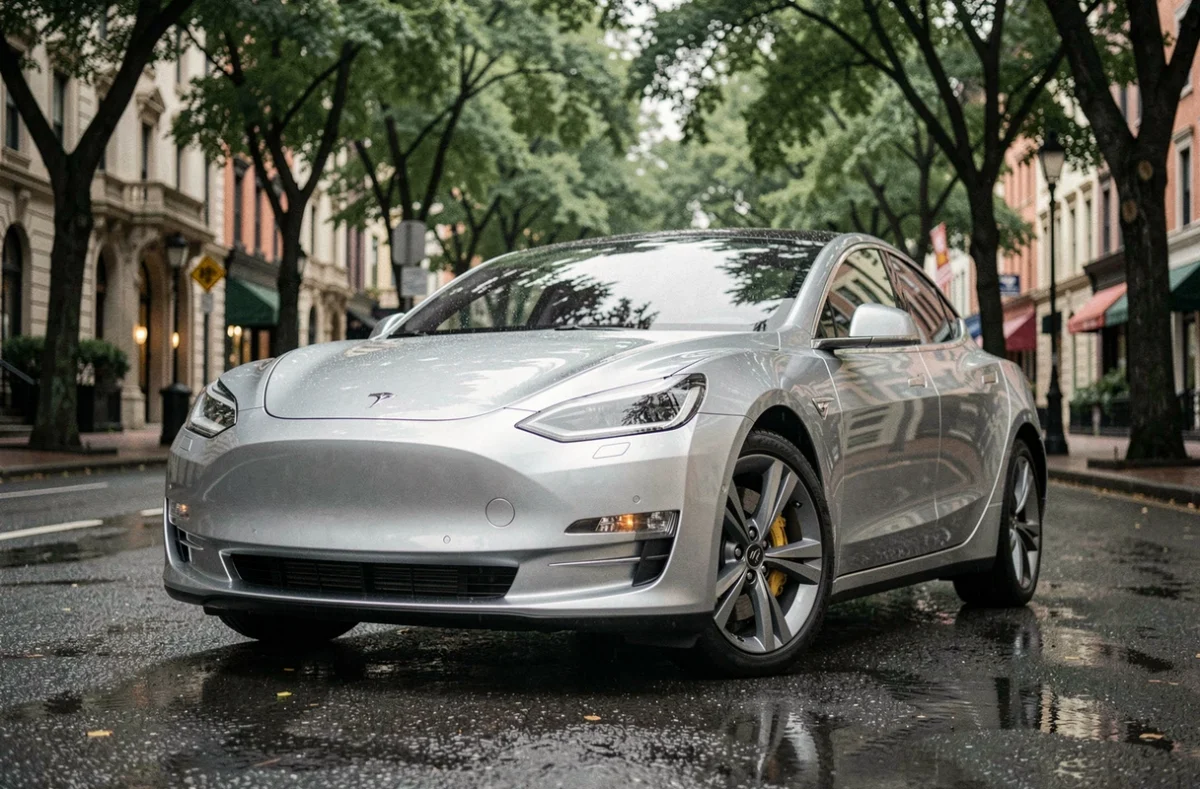
How to objectively measure the progress of an automotive industry undergoing ecological transformation? Between the new European regulations on batteries, local industrial preference provisions, and the arrival of electric models that blur the aesthetic codes of thermal vehicles, recent automotive news provides concrete data to assess where the transition truly stands.
EN 18060 Standard and Electric Batteries: What the European Decision of September 2026 Changes
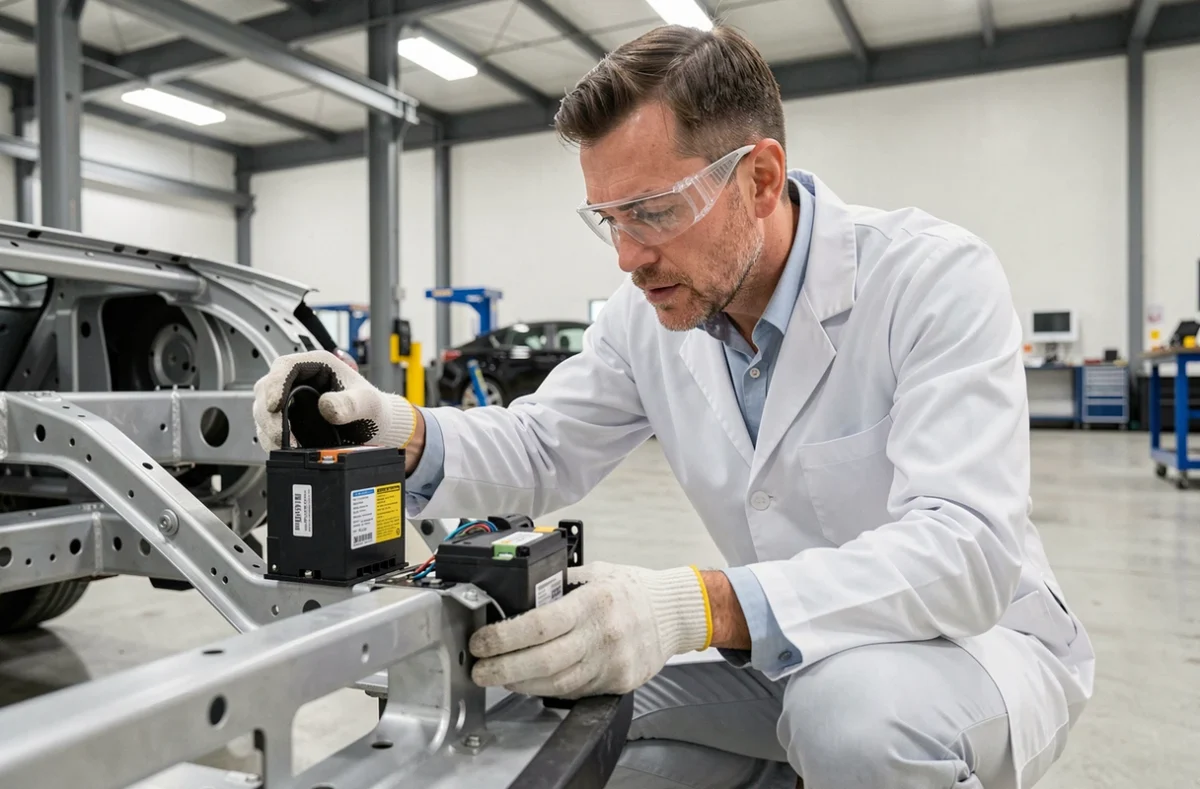
The European implementing decision (2026/2048), published in the Official Journal of the EU on September 17, 2026, recognized the harmonized standard EN 18060:2025. This text governs the measurement of capacity, power, efficiency, internal resistance, and degradation of electric vehicle batteries.
Before this harmonization, each manufacturer could present its durability data according to its own protocols. The standard now imposes a single framework. For a buyer, this means it becomes possible to compare the actual durability of batteries between two competing models on an identical basis.
The scope goes beyond simple labeling. The standard opens a presumption of conformity to the European regulation on batteries, simplifying market access for manufacturers who comply. For those following automotive news and ecological innovations, this is a regulatory turning point more structuring than the launch of yet another electric SUV.
Car enthusiasts who wish to visit the Wype website will find regular updates on these regulatory developments and industry news.
Industrial Accelerator Act: Comparative Table of Local Preference Criteria for Clean Vehicles
The draft Industrial Accelerator Act, presented in March 2026, introduces a logic of industrial sovereignty in public aid and European public procurement. The provision conditions certain financial supports on European assembly and a minimum share of components manufactured in the EU.
| Criterion | Situation Before the Project | Provision Under the Industrial Accelerator Act |
|---|---|---|
| Eligibility for Public Aid | No systematic local assembly requirement | European assembly required for certain aids |
| Share of EU Components | No harmonized threshold | Minimum share of components manufactured in the EU |
| Types of Vehicles Covered | Variable by Member State | Electric cars, plug-in hybrids, hydrogen |
| Public Procurement | Price criterion dominant | Integration of industrial location criteria |
This table highlights a paradigm shift. Asian manufacturers assembling outside of Europe could lose access to certain competitive levers in the European market. Conversely, brands that have invested in European factories (batteries or final assembly) find themselves advantaged.
Consequences for Manufacturers and Buyers
For buyers, the effect will not be immediate on catalog prices. The mechanism first affects corporate fleets and public purchases, which represent a significant share of registrations.
For manufacturers, the constraint pushes them to relocate or form industrial partnerships in Europe. The project thus adds a sovereignty criterion to the usual parameters (price, range, emissions) in the purchasing decisions for clean vehicles.
Electric Vehicle as Energy Infrastructure: The Question of Bidirectional Charging
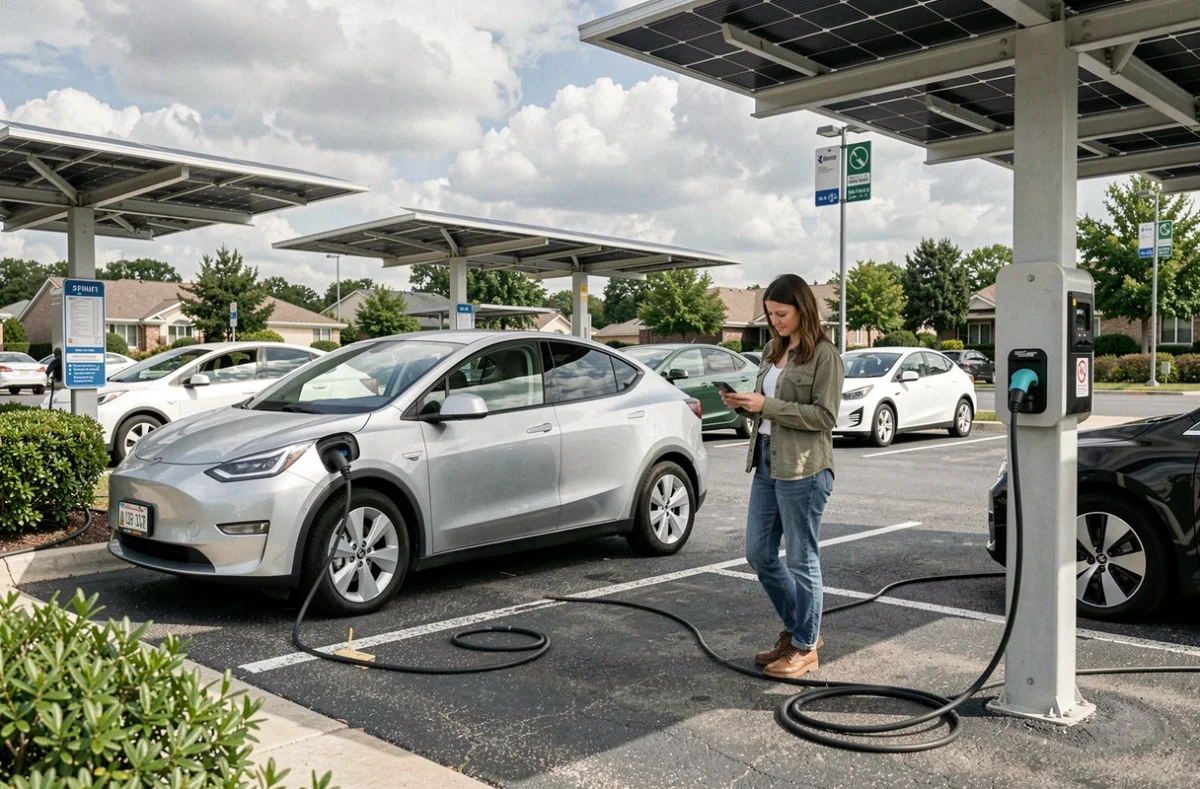
The idea of the electric vehicle as a mobile energy infrastructure is progressing in texts and experiments. The principle: the battery of a parked car can inject electricity back into the home or public grid during peak demand.
This function, called V2G (vehicle-to-grid), transforms the car into a decentralized storage unit. Generalization is still awaited, but several pilot programs in Europe are already testing the integration of electric vehicle fleets into network management.
- Bidirectional charging requires a compatible charger and a communication protocol between the vehicle and the grid, which currently limits the number of eligible models.
- The additional wear on the battery related to charge/discharge cycles remains a point of technical debate, which the EN 18060:2025 standard could help to objectify.
- The regulatory framework for reselling electricity by an individual through their vehicle is not yet harmonized at the European level.
The link with the battery standard is direct: precisely measuring degradation allows for guaranteeing the economic viability of V2G over several years of use.
New Electric Models: When Design Blurs the Line with Thermal
Among recent automotive news, the Volkswagen ID.Tiguan illustrates a fundamental trend: manufacturers are gradually abandoning the specific aesthetic codes of electric vehicles (closed grille, futuristic lines) to return to a design closer to thermal models.
This strategy aims to overcome a psychological barrier among buyers who still associate electric vehicles with a technological object far removed from their references. The BMW iX4 follows the same logic, with a positioning that focuses on desirability rather than visual disruption.
What This Design Choice Signals
The aesthetic uniformity between electric and thermal suggests that the electric market is entering a phase of normalization. The electric vehicle no longer needs to visually distinguish itself to exist. What matters now are measurable data: actual range, battery durability (framed by the EN 18060 standard), total cost of ownership.
The convergence of ecological innovations, the European regulatory framework, and industrial strategies shapes an automotive market where technical data takes precedence over marketing discourse. The EN 18060:2025 standard on batteries, the Industrial Accelerator Act, and V2G experiments form a triptych that makes comparisons between vehicles more reliable than ever before.