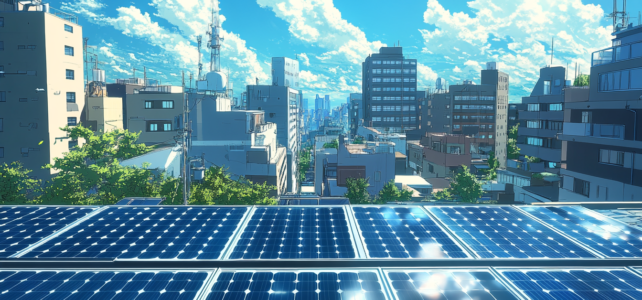
At the dawn of a new energy era, humanity is resolutely turning towards renewable solutions. Among these, solar panels stand out as key players, transforming sunlight into a clean and abundant energy source. This phenomenon has not only disrupted our way of producing electricity but has also redefined our relationship with energy consumption. With the climate emergency threatening our planet and dwindling fossil resources, it becomes imperative to understand the importance of solar panels in the current landscape. Far from being merely a technological tool, they symbolize a life philosophy oriented towards a sustainable and environmentally friendly future.
The Fundamental Principles of Solar Panels
Understanding the basics on which solar technology rests is essential. A journey into their functioning allows us to grasp the extent of their potential impact.
- Photovoltaic cells: At the core of each panel, these cells are responsible for converting light into electricity by harnessing the photovoltaic effect.
- Material composition: Generally made of silicon, these cells capture solar photons and release electrons, thus generating an electric current.
- Installation and orientation: To maximize their output, panels must be installed with precision to optimize sun exposure.
The Ecological and Economic Benefits
The massive adoption of solar energy is justified not only by technical considerations. It comes with a series of green and financial advantages that deserve special attention.
Solar panels produce clean energy, thereby reducing greenhouse gas emissions. This feature makes them a valuable ally in the fight against global warming. Moreover, the use of solar energy decreases dependence on fossil resources while lowering consumers’ electricity bills. An investment in this technology can be quickly amortized through the savings achieved, not to mention the tax incentives often offered by governments. Environmentally, they require little maintenance and have a lifespan that often exceeds twenty years, ensuring stable and sustainable energy production.
The Technological and Societal Challenges
Beyond mere energy production, the integration of solar panels into our societies raises complex questions that deserve exploration.
- Technological innovation: Advances in research are yielding increasingly efficient panels, reducing production costs and increasing energy yield.
- Access and inequalities: Although promising, the technology must be accessible to all. Solutions must be found to prevent it from further widening economic disparities.
The Bright Future of Solar Energy
The role of solar panels in our energy future is undeniable. Their rapid evolution and growing adoption testify to an ongoing energy transition.
With support from public authorities and continuous innovations, panels will become even more efficient and accessible. Energy storage technologies, such as batteries, will develop to address the intermittencies of sunlight. Urban structures will also adapt, integrating solar elements into their design, from rooftops to facades. This energy revolution promises to transform not only our way of consuming energy but also our way of thinking and living in harmony with our environment.